




Best Gymnastics Backpacks for Rhythmic Gymnasts (2026 Guide)
How to choose the right gymnastics backpack — what to look for, what to avoid, and our top picks for training, competition and travel
Any rhythmic gymnastics parent knows the problem: your child needs to carry a hoop, clubs, ribbons, a ribbon stick, a ball, toe shoes, a leotard, hair accessories, a water bottle, snacks and probably a school book or two — all in one bag. A regular school backpack will not cut it.
This guide explains what to look for in a gymnastics backpack, covers the different bag types you might need, and helps you choose the right one for your gymnast's age, level and weekly routine.
Why do rhythmic gymnasts need a special backpack?
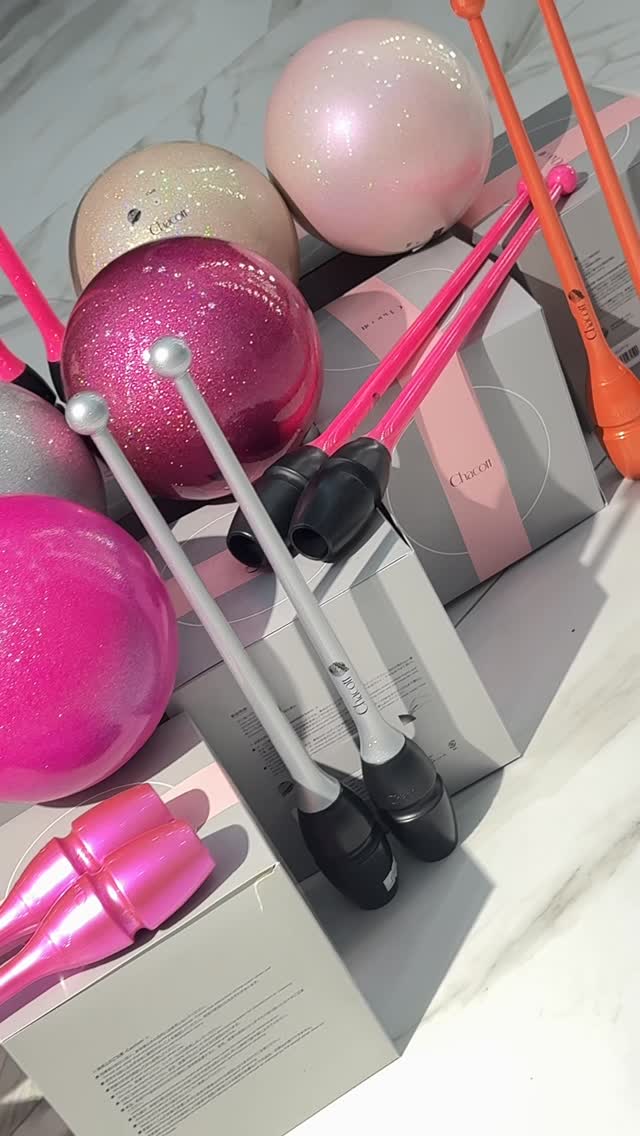
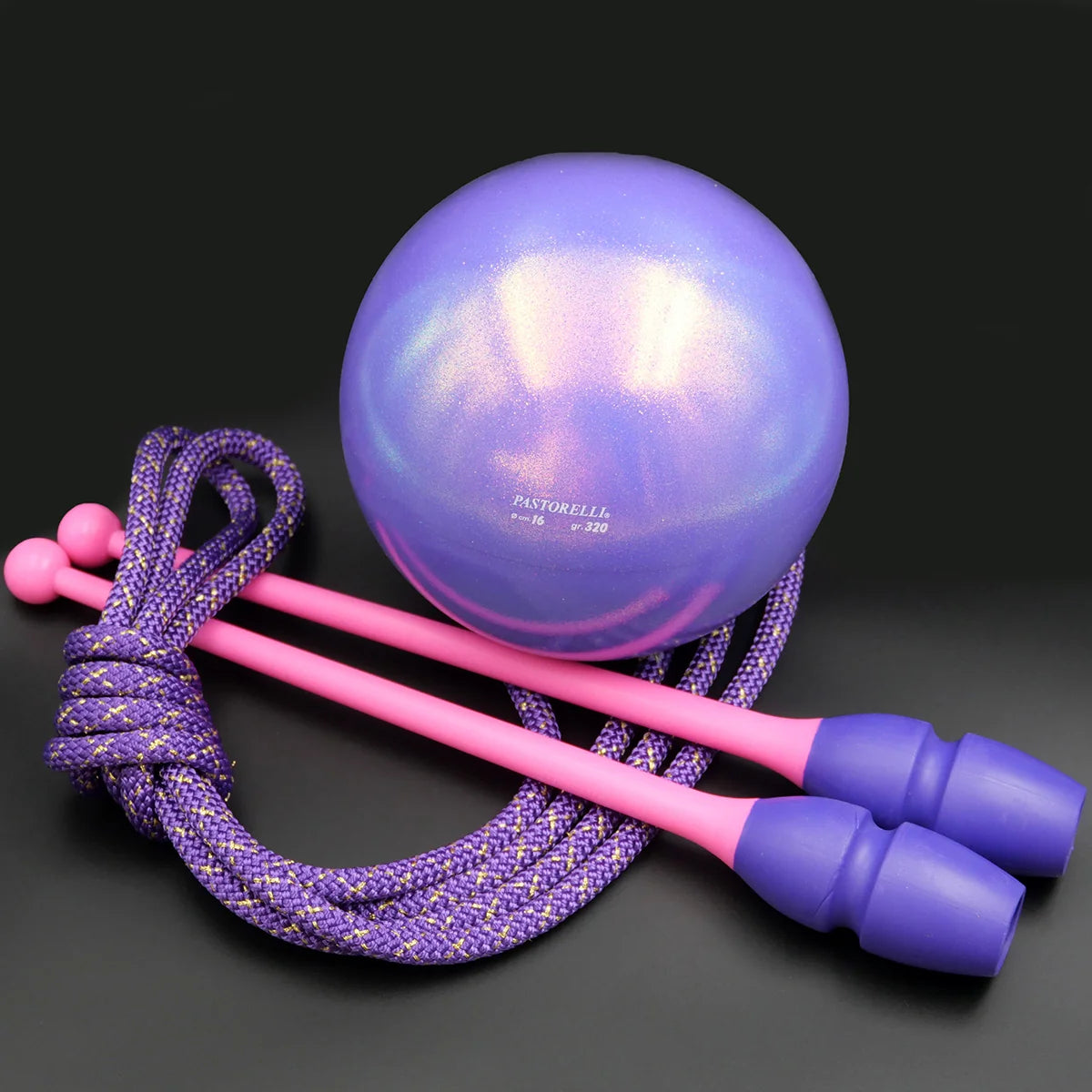
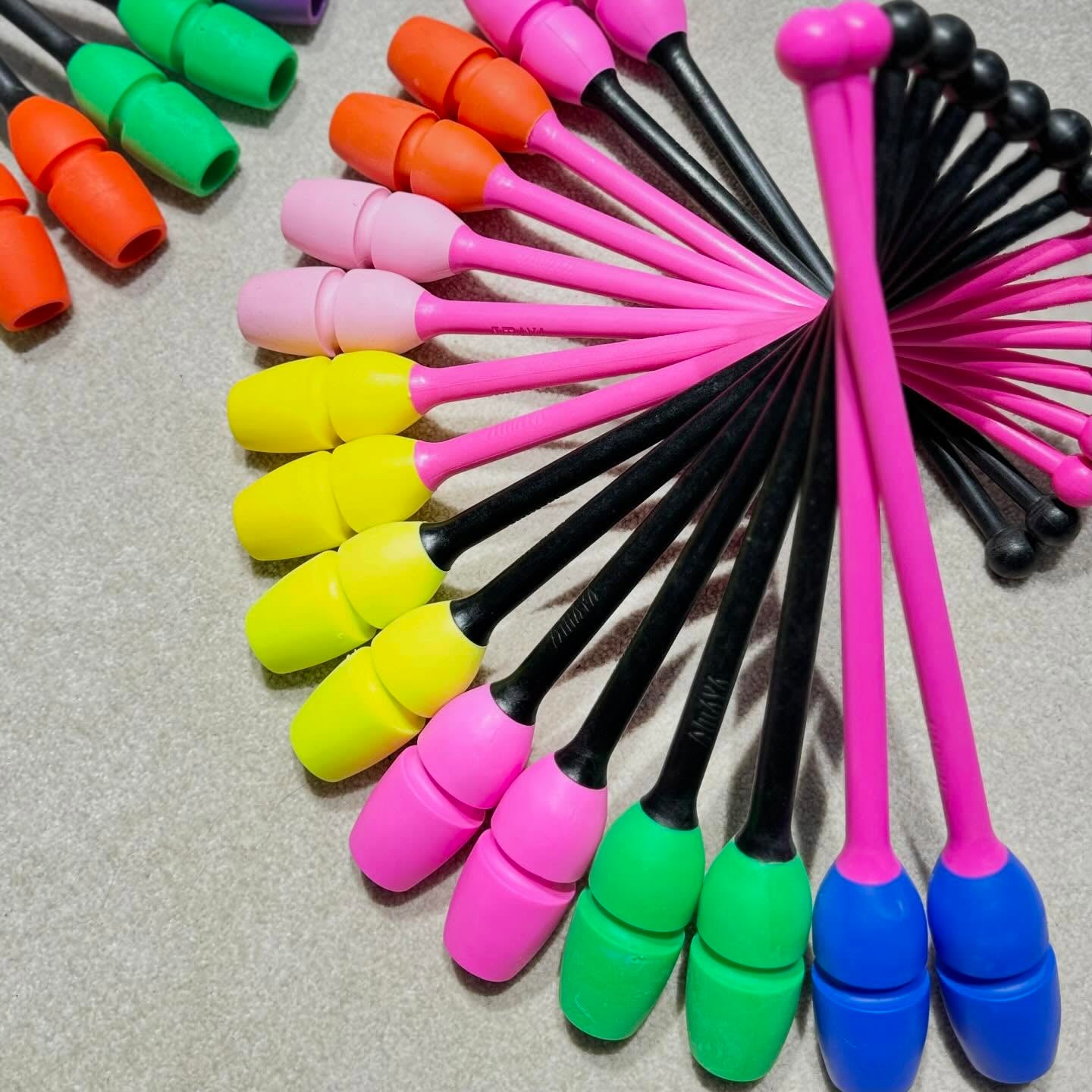
Rhythmic gymnastics equipment is an unusual shape. Clubs are long and oddly balanced. Balls need cushioning. Ribbon sticks can poke through thin fabric. A hoop does not fit inside anything standard.
A purpose-built gymnastics backpack solves these problems with features a regular bag simply does not have:
- Apparatus-friendly compartments — Dedicated pockets or straps for clubs, balls and ribbon sticks, keeping equipment separated and protected.
- External hoop straps — Many RG backpacks include straps or clips on the outside for attaching a hoop or hoop cover, so it does not need to fit inside the bag.
- Padded sections — Cushioned areas for delicate items like balls, which scratch and scuff easily when loose in a bag.
- Volume — Gymnastics backpacks are typically 25–40 litres, significantly larger than a standard school bag, because there is simply a lot of kit to carry.
- Durability — Reinforced bases, water-resistant fabrics and heavy-duty zips that survive daily training and weekend competition travel.
What to look for when buying a gymnastics backpack
Size and capacity
Think about what your gymnast carries to a typical training session versus a competition day. Training usually means one apparatus, clothing and shoes. Competition means everything — all apparatus, competition leotard, warm-up outfit, hair accessories, make-up, snacks and more.
For younger gymnasts (under 10), a medium-sized backpack of 20–25 litres is usually sufficient. Older gymnasts and those competing regularly will need 30–40 litres to fit everything comfortably.
Compartments and organisation
The best gymnastics backpacks have multiple compartments rather than one large cavity. Look for:
- A main compartment large enough for clothing and bulky items
- A separate padded pocket or sleeve for a ball (with ball cover)
- Side pockets for water bottles
- A small internal pocket for valuables — phone, keys, money
- External straps or attachment points for a hoop cover
The more organised the bag, the less time spent rummaging at the side of the carpet.
Material and durability
Gymnasts use their bags daily, stuff them into car boots, drag them across sports hall floors and occasionally leave them out in the rain. Choose a backpack made from durable, water-resistant fabric with reinforced stitching at stress points — straps, zips and the base. Nylon and polyester are the most common and practical choices.
Comfort
A loaded gymnastics backpack is heavy. Padded shoulder straps, a padded back panel and an adjustable chest strap all help distribute the weight properly — especially important for younger gymnasts carrying the bag to and from school or on public transport.
Style
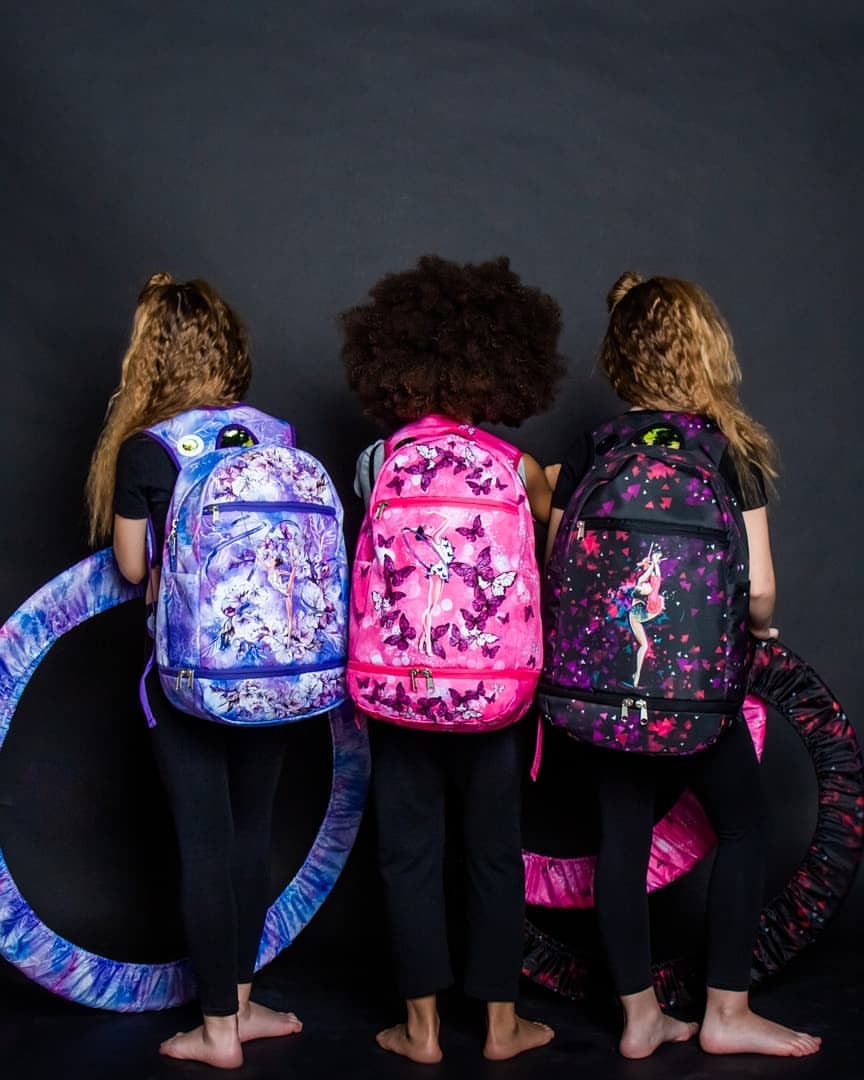
Let's be honest — for most young gymnasts, how the bag looks matters almost as much as how it performs. Gymnastics-themed prints, bright colours and designs that feel personal make a bag something they are proud to carry. This is not just vanity; a gymnast who likes their bag is more likely to look after it.
Types of gymnastics bags
A backpack is the foundation, but most rhythmic gymnasts end up needing a few different bags and covers over time.
Gymnastics backpacks
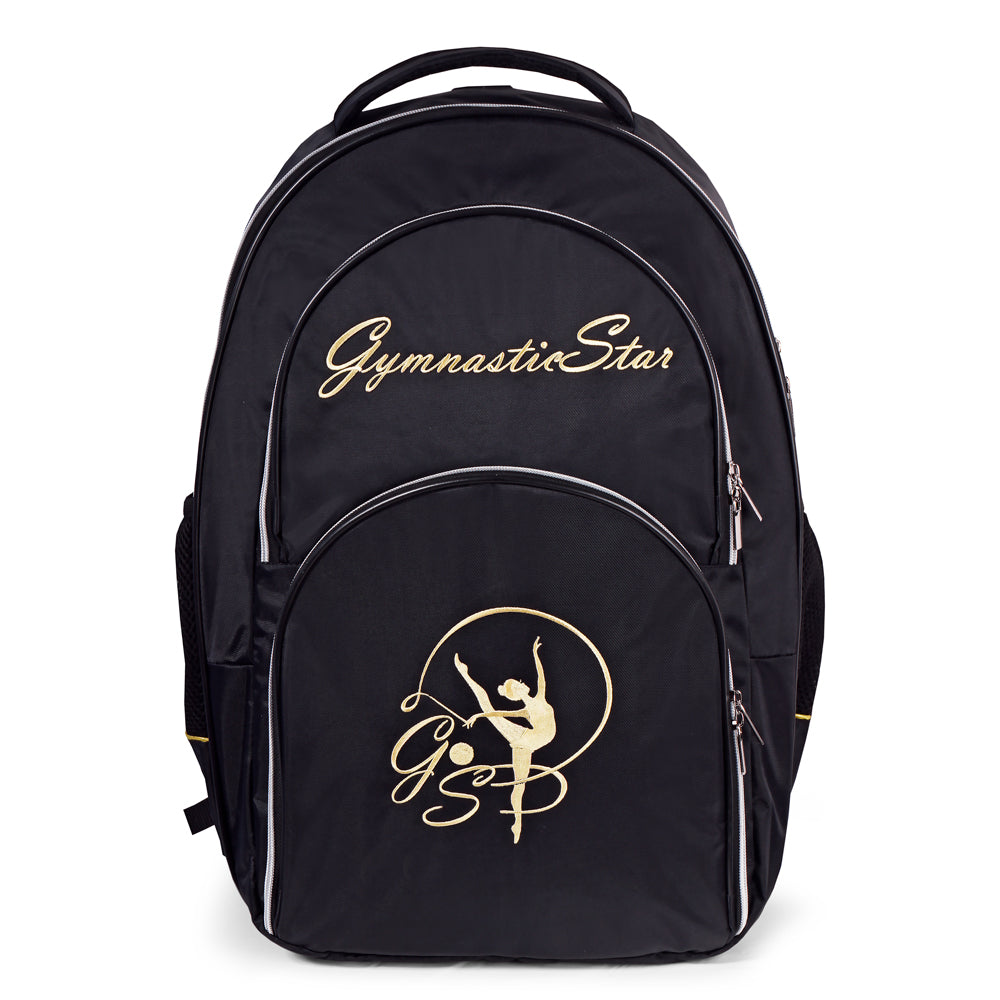
The main training and competition bag. Worn on the back with two shoulder straps, large enough for a full session's worth of kit. The Pastorelli gymnastics backpack is one of the most popular purpose-built options, designed specifically for RG with a roomy interior and durable construction. Gymnamo also stocks backpacks with gymnast-themed prints in a range of styles.
Drawstring bags
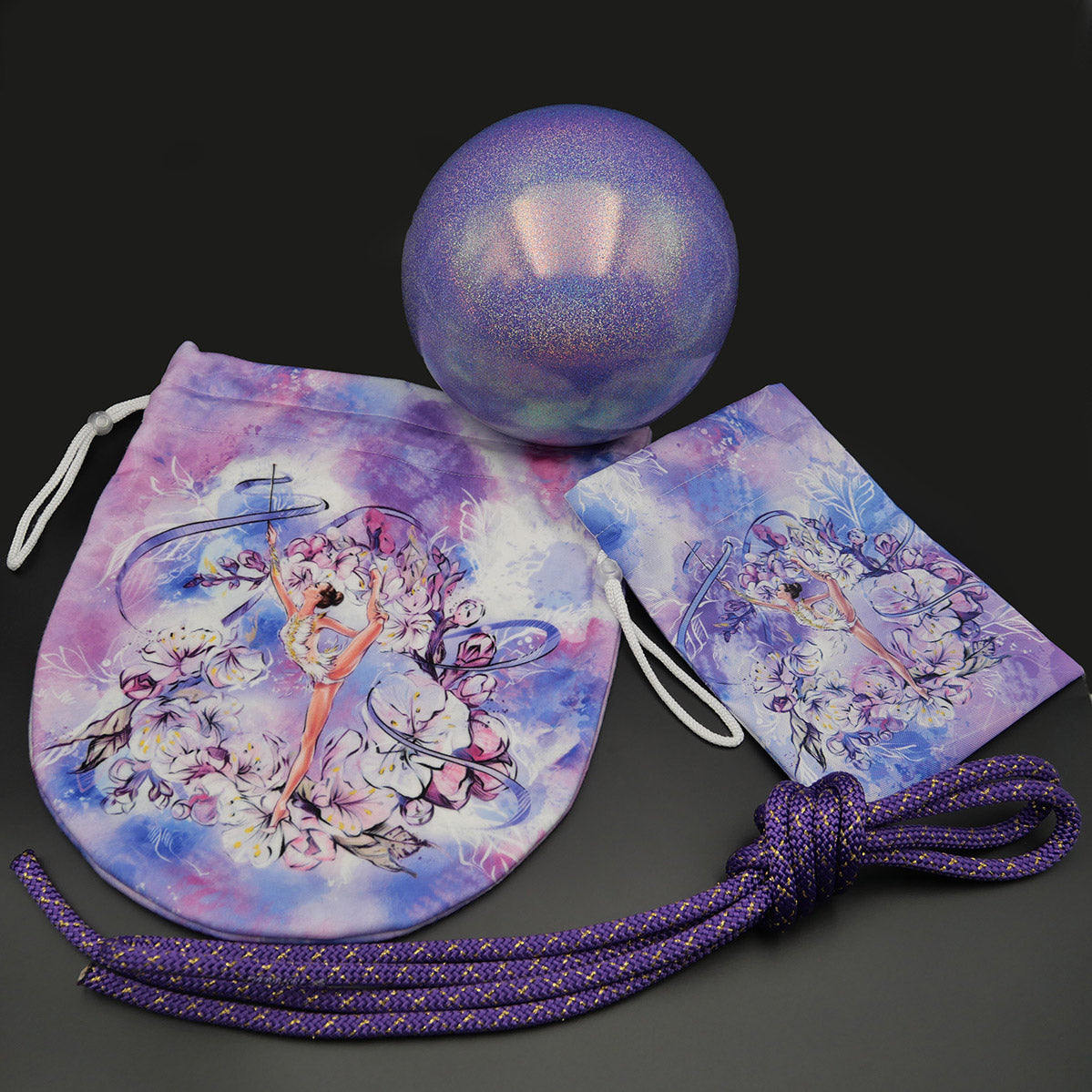
Lighter and simpler than a full backpack, drawstring bags are perfect for quick training sessions where your gymnast only needs one apparatus and a change of clothes. They are also handy as a secondary bag inside a larger backpack — for example, keeping dirty training clothes separate from a clean competition leotard.
Crossbody bags and sling bags
Small crossbody bags work well for competitions where apparatus is stored separately and the gymnast just needs personal items — phone, snacks, hair pins, make-up. They are also a popular everyday bag for gymnasts who like the sporty, gymnastics-themed designs.
Team bag sets
For clubs or squads travelling together, coordinated team bag sets ensure everyone's kit matches and is easy to identify. These typically include a large backpack and one or two smaller accessory bags in matching colours or prints.
Apparatus covers and bags you will also need
Beyond the main backpack, most gymnasts accumulate a collection of protective covers:
- Hoop cover / hoop bag — Essential for protecting your hoop during transport. A padded hoop bag also holds a ball, clubs and other flat items alongside the hoop. This is the single most useful accessory bag in rhythmic gymnastics.
- Ball cover — A soft fleece or padded cover that prevents scratches and scuffs on your competition ball. Balls are expensive and their surface finish is fragile, so a cover is not optional.
- Club holder — A slim bag or pouch that holds a pair of clubs together, protecting the ends from chipping.
- Ribbon cover — Protects ribbons from snagging and creasing during transport. Some gymnasts use a ribbon winder inside their main bag instead.
- Leotard cover / garment bag — Keeps competition leotards flat, crease-free and protected from rhinestone damage during travel.
What to pack: the RG competition day checklist
Heading to a competition and worried you have forgotten something? Here is a quick packing checklist:
Apparatus: Ball (in cover), clubs (in holder), ribbon (on winder), ribbon stick, hoop (in cover), rope — bring whichever apparatus are needed for the routine.
Clothing: Competition leotard (in garment cover), warm-up outfit, half shoes or toe socks, spare pair of tights or socks.
Hair and make-up: Hair net, pins, hair spray, gel, elastic bands, competition make-up, mirror.
Essentials: Water bottle, snacks, phone, any competition paperwork or music (USB stick if required).
Extras: Resistance band for warm-up, small towel, first aid basics (plasters, tape), sewing kit for leotard emergencies.
How much should I spend?
Gymnastics backpacks range from around £25 for a basic drawstring bag to £60–£100 for a full-featured, purpose-built RG backpack. Team bag sets can run higher.
For a gymnast training two or three times a week, a mid-range backpack in the £45–£60 range will offer the best balance of durability, features and value. If your gymnast trains daily and competes regularly, investing in a more robust bag pays for itself quickly — a bag that falls apart after three months is no saving at all.
Shop gymnastics backpacks and bags
Browse our full collection of gymnastics backpacks and bags and covers — from roomy competition backpacks to protective apparatus covers. Everything is designed with rhythmic gymnastics in mind.
Free UK delivery on orders over £100. Most orders dispatched within 1–2 working days. Not sure which bag is right? Get in touch — we are always happy to help.